If you have started with FBR invoicing, you have met these codes. They are less complicated than they look, and getting them roughly right is mostly a one-time job.
What they are
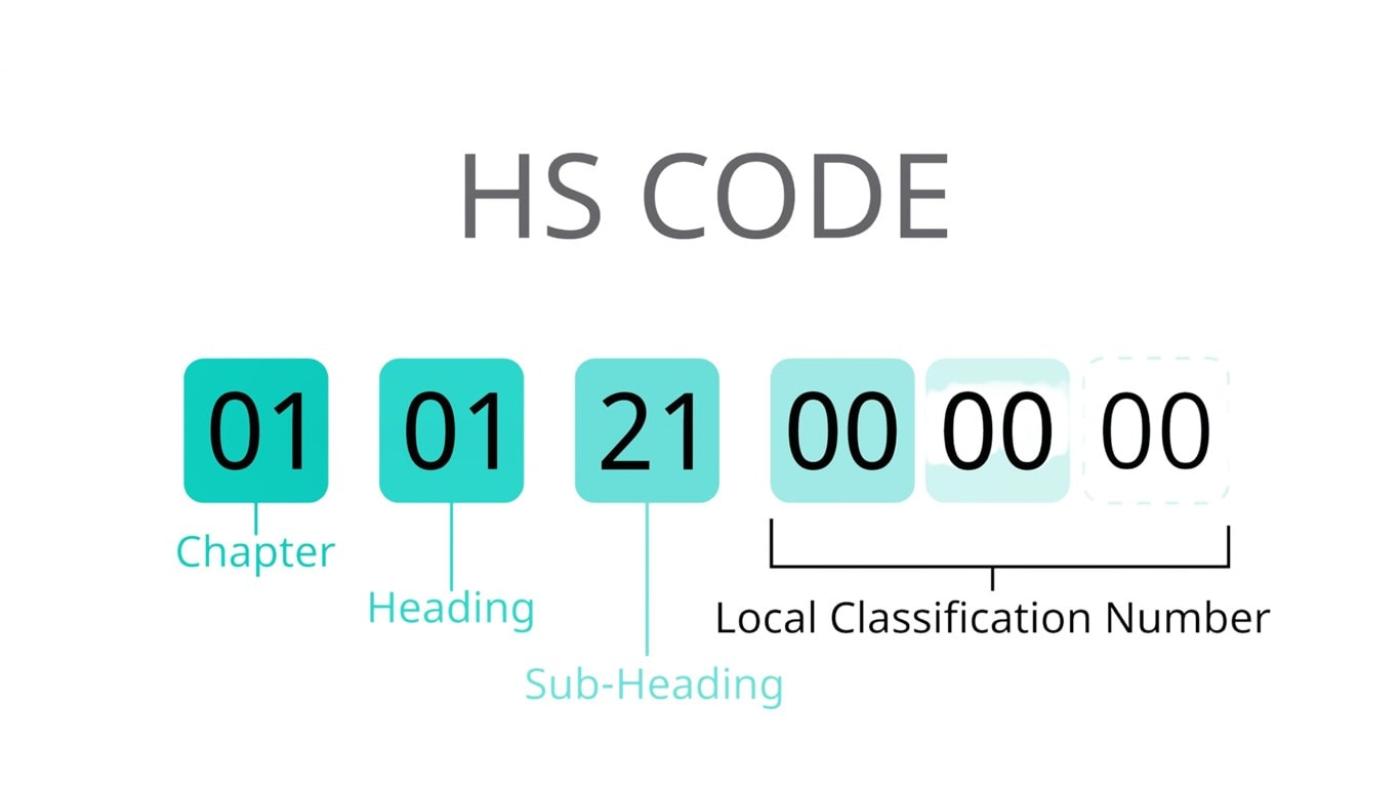
An HS code is an international classification for a type of goods, used by customs authorities worldwide. Pakistan's PCT code extends it with local detail.
In practice they are a standard way of saying what a product is, so that everybody, including the tax authority, means the same thing by "biscuits" or "cooking oil".
Where they matter to a shop
They sit against your items and travel with your invoices when you submit them. That is the whole of it for most retailers.
They are a property of the product rather than of the sale, so it is a setup task, not something anybody handles at the counter.
- One code per product, set once
- Products of the same kind share a code
- Nothing changes at the counter
Getting them right without becoming an expert
Start from the category. Most shops sell within a fairly small set of product types, so a few dozen codes usually cover a few thousand items.
Software that suggests codes by product type or by name gets you most of the way. Treat suggestions as a starting point rather than a ruling, and check the ones on your highest-volume lines yourself.
When to ask somebody
If a product could reasonably sit in two categories, or if it is a large part of your turnover, that is worth a practitioner's opinion rather than a guess.
Software vendors, including us, are not tax advisers. A suggested code is a convenience, not advice, and the responsibility for what is submitted stays with the business.
Do the top fifty items carefully and the rest by category. That is the whole of it for the great majority of shops.