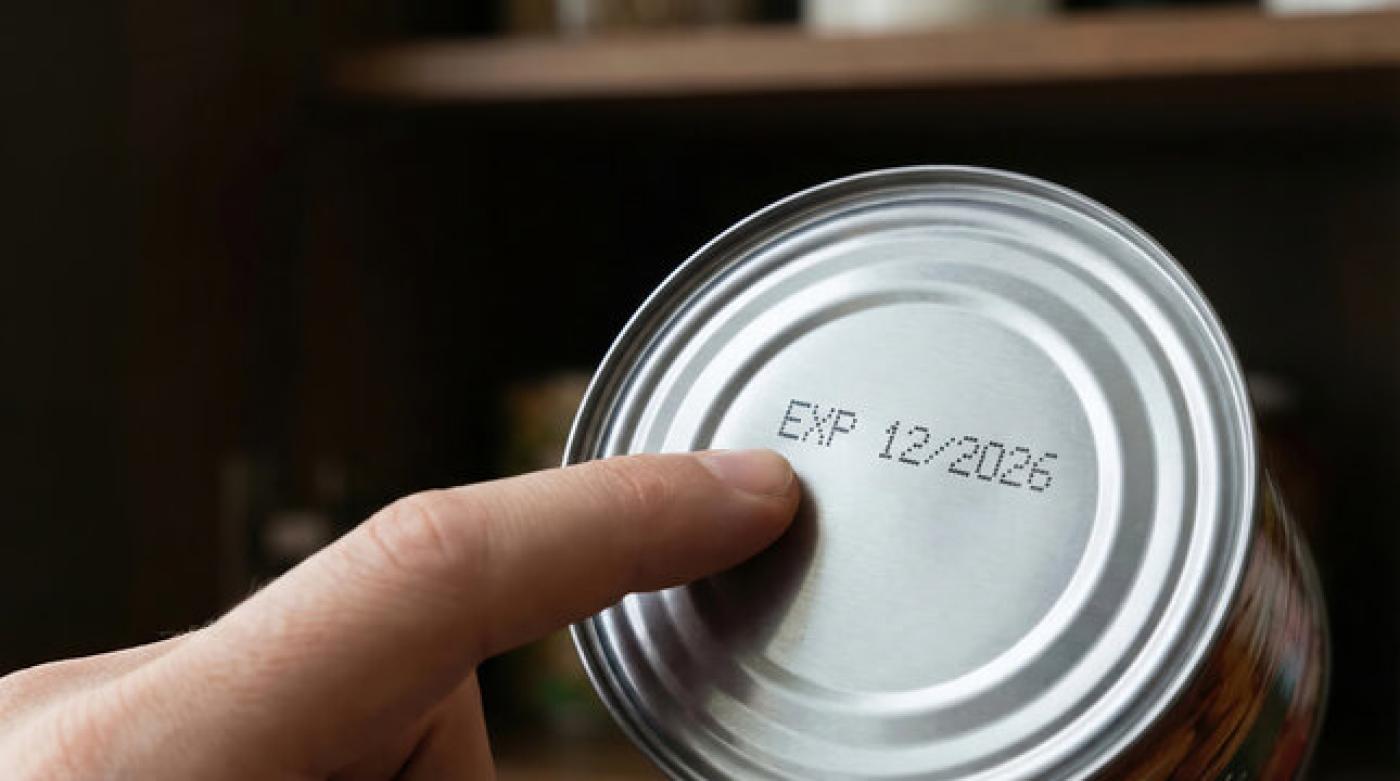
Stock that expires does not announce itself. It sits looking exactly like stock that is fine, right up until the day it is worth nothing.
There is a window, and it closes
Most distributors will take back stock approaching expiry, within a period they set. Inside that window the stock is a credit note. Outside it, the same box is a loss.
The entire discipline is about noticing early enough to be inside the window.
Why hand checking does not work
A medical store carries thousands of items across hundreds of batches. Walking the shelves reading dates is a job nobody has time for, so it happens rarely, and rarely is not often enough.
The same medicine also arrives repeatedly with different dates. Once boxes are mixed on a shelf, the date on the front is not the date of what is behind it.
- Record the expiry when stock arrives, not later
- Keep batches separate rather than merging them
- Review at thirty, sixty and ninety days
Sell the older batch first
It sounds obvious and it almost never happens, because the newest delivery is at the front of the shelf. If the system knows which batch is older, the counter can be told which to pick.
This one habit removes most expiry losses on its own.
Count the loss where you can see it
When stock does expire, write it off with a reason rather than quietly adjusting it away. Six months of write-off reasons tells you which lines you are consistently over-ordering.
Expiry is usually a buying problem wearing a stock problem's clothes.
For most medical stores, near-expiry returns are the single largest recoverable loss in the business, and the only thing standing between them and it is a date recorded on arrival.