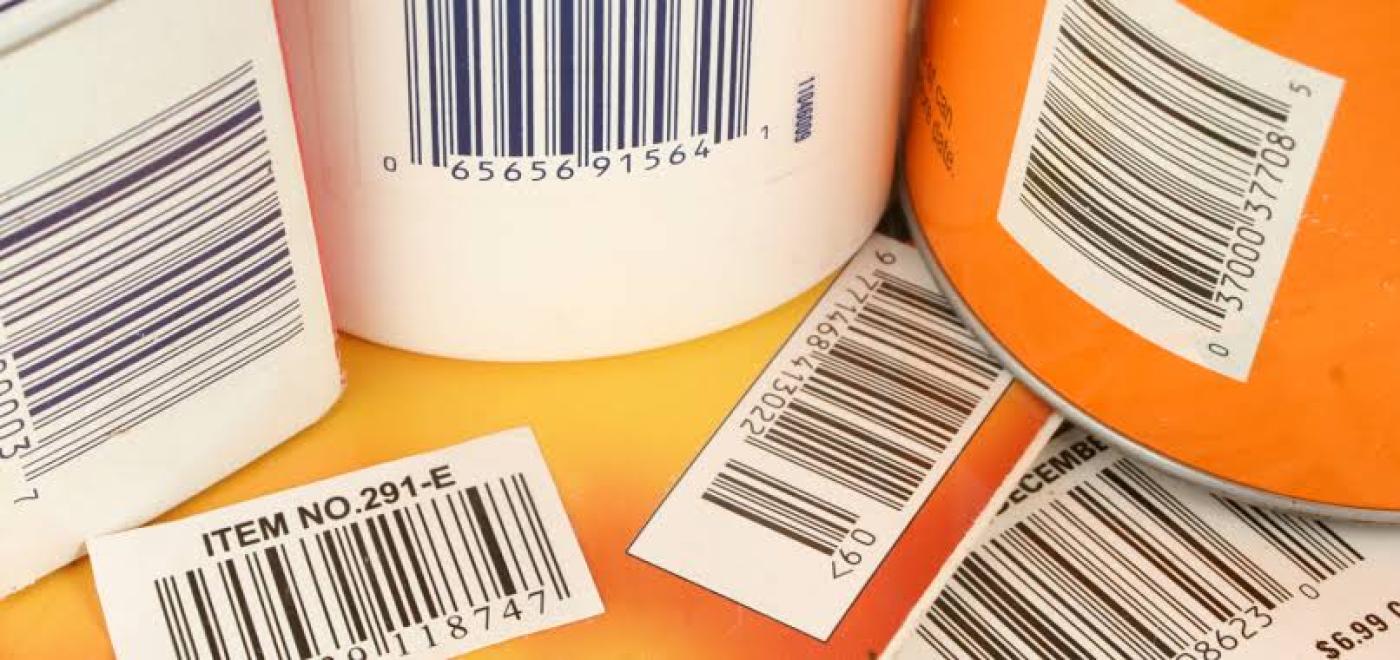
Branded goods scan. Loose goods, local manufacture and imported novelty stock do not. In most shops that means half the counter is typed rather than scanned, and typing is where the price gets guessed.
Why it matters more than it sounds
An item without a barcode has to be found by name, and a name is only as reliable as the person searching. On a busy evening the salesperson picks the nearest match, or asks, or estimates.
Every one of those is a small loss, and they are invisible because nothing records that the wrong price was charged.
How it works
The software generates a code for the item and prints it on an ordinary label roll. You stick it on the packet, the shelf edge or the box. From then on it scans like anything else.
The codes are internal to your shop. They do not clash with manufacturer barcodes and they do not need registering with anybody.
- A normal label printer is enough
- Shelf-edge labels work for loose goods sold by weight
- One code per item, printed once
Where to start
Do not try to label the whole shop in a day. Start with the fifty items that sell most and are typed most often, which is usually where the errors concentrate anyway.
Add the rest as stock arrives. Within a month or two the counter is mostly scanning, which is the point.
Scanning is not about looking modern. It is about the price at the counter being the price you decided, every time, whoever is standing there.